
BJJ Gym Etiquette: What You Need to Know Before Your First Class
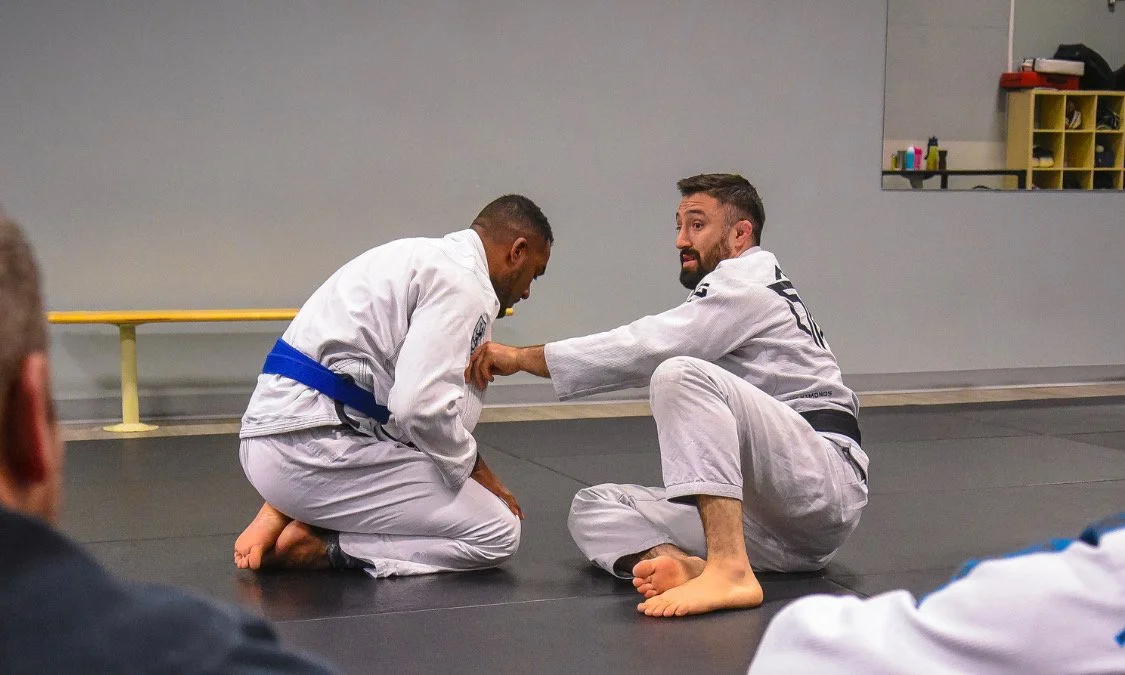
If you're about to walk into a BJJ gym for the first time, you're probably wondering what the unwritten rules are. What are you supposed to do? What should you avoid? The good news is that most gym etiquette is common sense and basic respect for your training partners. We're not overly traditional or strict about formalities, but there are a few things that make training safer and more enjoyable for everyone. Here's what you need to know before you step on the mats.
It's Simpler Than You Think
Most BJJ etiquette comes down to one thing: respect. Respect for your training partners, respect for the space, and respect for the learning environment. You don't need to memorize a dozen obscure rules or worry about offending someone by accident. If you show up clean, pay attention, and treat people the way you want to be treated, you're already doing it right. The specifics below are just common sense spelled out. Don't overthink it.
Hygiene Is Non-Negotiable
This should be obvious, but it's worth saying. Shower before class. Trim your nails. If you're training in a gi, make sure it's clean. BJJ is a close-contact sport. You're going to be in someone's guard, they're going to be in yours, and nobody wants to roll with someone who smells or has long nails that scratch. Basic hygiene is a sign of respect for your training partners. If you show up clean and presentable, you're already doing better than a surprising number of people.
Mat Rules
No shoes on the mats. Ever. Mats are where we train, and keeping them clean is important. When you step off the mats, wear flip flops or slides. Don't walk around barefoot in the bathroom or common areas and then step back on the mats. That's how you spread infections and make everyone's life worse.
We do bow when stepping onto the mat for the first time and when leaving for the final time. It's a sign of respect for the training space. But we're not going to kill you if you forget. It's not about rigid tradition, it's just a small gesture that acknowledges you're entering a place where people are working hard and helping each other improve.
If you're rolling and you end up near higher belts who are also rolling, give them space. Move out of the way. They've earned the right to train without dodging beginners rolling into them. It's basic courtesy.
Rolling Etiquette
Always ask before you roll with someone. Don't just assume. A simple "want to roll?" is all it takes. Most people will say yes, but some might be tired, injured, or sitting out for a reason. Respect that.
If you're working on something dangerous like ankle locks or heel hooks, ask your partner if they're okay with you practicing them. Not everyone is comfortable with leg attacks, especially beginners. Communication keeps everyone safe.
Tap early, tap often. If you feel pressure, if something hurts, if you're caught, tap. Don't wait until it's too late. Tapping isn't losing. It's how you stay safe and keep training. And if your partner taps, let go immediately. No exceptions.
Leave your ego at the door. If you get submitted, it's not a big deal. Everyone gets submitted. If you submit someone, don't celebrate like you just won a championship. Just reset and keep training. Ego gets people hurt and makes training miserable for everyone.
Don't invent submissions. If you don't know a technique, don't just rip something random hoping it works. You're going to hurt someone. Stick to what you've been taught. If you catch something by accident and you're not sure what it is, let it go and ask the coach after. Creativity is great once you understand the fundamentals, but making up submissions on the fly is how people get injured.
Being Helpful vs Coaching
We don't mind people trying to be helpful and explaining a position if someone's confused. Training partners helping each other figure things out is part of the learning process. But if you're unsure about something, ask the coach. Don't try to coach someone during live rolls or contradict what the instructor just taught. There's a difference between helping a partner understand a detail and acting like you're teaching the class.
General Respect
Be on time if you can. Life happens, but consistently showing up late disrupts the flow of class. If you do arrive late, wait for a break in instruction before stepping onto the mats.
Listen when the instructor is talking. Don't have side conversations or mess around while techniques are being demonstrated. Everyone's there to learn, and it's disrespectful to the instructor and your training partners.
Don't film or take photos without asking. Some people don't want to be on camera, and that's their right. If you want to record something for personal review or post on social media, ask first.
It's Really Not That Complicated
Most of this comes down to basic respect. Keep yourself clean. Don't be reckless. Ask questions if you're unsure. Treat your training partners the way you want to be treated. If you do that, you'll fit in just fine. If you're in South Calgary and want to see what training is like, come check out a class in Seton. We'll walk you through everything you need to know.
Book your free trial class at Train With Wolfgang today.
Q&A:
Q: What if I forget to bow when stepping on the mats?
A: It's not a big deal. We're not strict about it. Just try to remember next time.
Q: Can I roll with anyone, or do I need permission?
A: Always ask before rolling with someone. A simple "want to roll?" is enough. Most people will say yes, but always check first.
Q: What if I don't know if a technique is dangerous?
A: If you're unsure, ask your partner or the coach. Communication keeps everyone safe. When in doubt, just ask.
