
Starting BJJ: What Beginners Can Expect
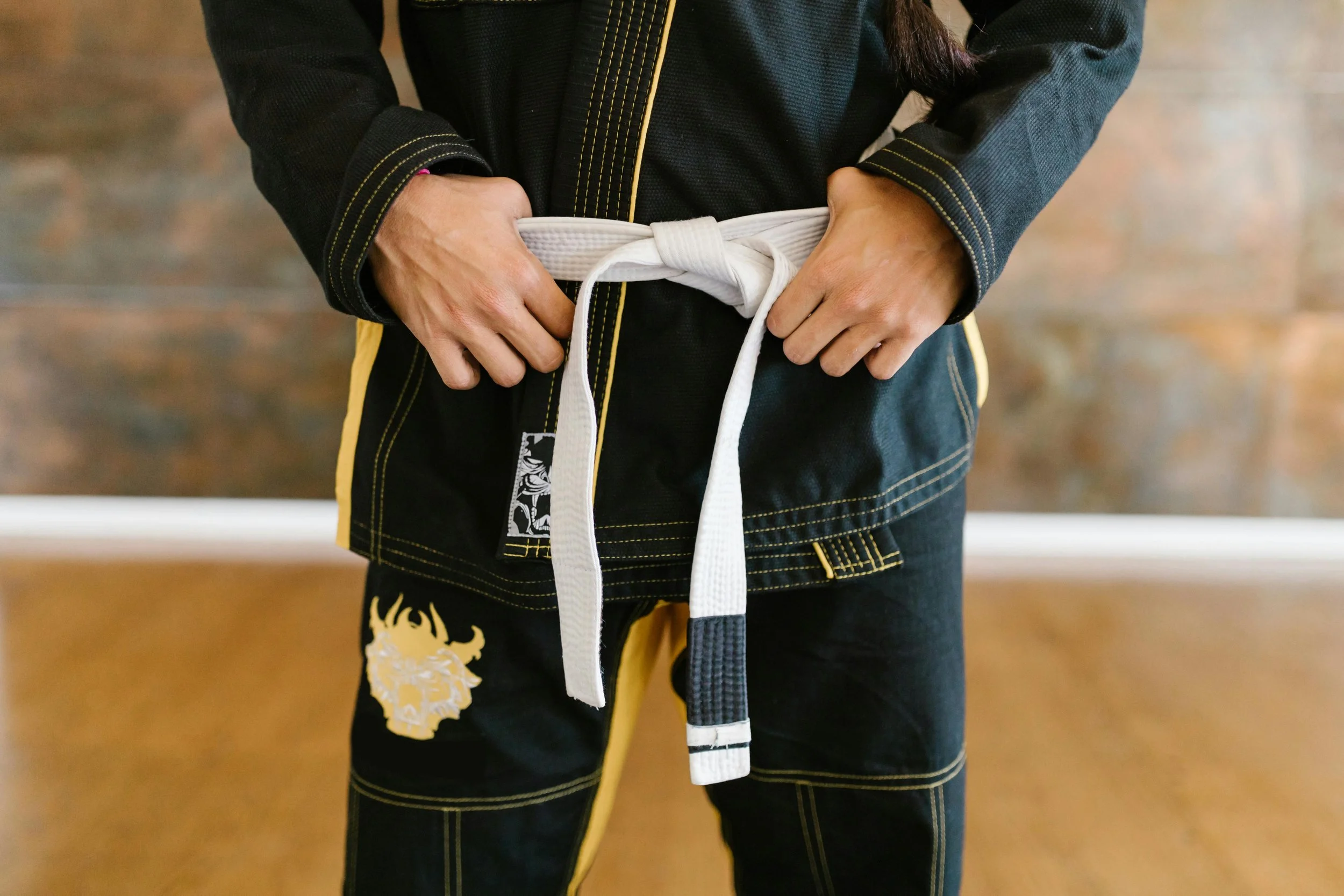
Walking into a Jiu-Jitsu gym for the first time is intimidating. You don't know anyone, you don't know what you're doing, and you're probably wondering if you're about to make a complete fool of yourself. I was nervous in my first class. But a higher belt paired up with me and walked me through what was happening. That's how it works at a good gym. People remember being new and they help you figure it out. Your first class isn't designed to break you down or prove how tough the sport is. It's designed to show you what training actually looks like and make sure you leave wanting to come back.
You're Not Getting Thrown Into the Deep End
The biggest misconception about starting BJJ is that you'll show up and immediately get destroyed by someone going full intensity. That's not what happens. You start with the fundamentals. Basic movements, positions, techniques. You drill with a partner who's there to help you learn, not to prove anything. And when you do start positional sparring during class, your partner adjusts to your level. They're not going hard on you because they've been where you are.
If you're anxious about the sparring part, that's normal. The live sparring session after class is optional. You jump in when you're ready, not when someone else decides for you. Some people are ready right away. Others take a few weeks. Both are fine.
How Class is Actually Structured
Class starts with a warm-up. We do active drills like underhook work, shooting for takedowns without actually finishing them, just getting the movement down. Sometimes we start with a flow roll. It's not a brutal conditioning session, it's about getting your body ready and working on fundamental movements.
After the warm-up, the instructor demonstrates a technique. You pair up with someone and practice it in a controlled way. This is drilling. You're both actively working through the movement, taking turns so your body learns the mechanics. This takes up most of class time and it's where most of your learning happens.
Towards the end of class, we do positional sparring. You start in a specific position and work from there. It's live, meaning there's resistance, but it's controlled. Your partner adjusts their intensity based on your experience. They're not trying to smash you. They're giving you enough resistance to learn without completely overwhelming you.
Your Training Partners Want You to Succeed
Here's what surprised me most when I started. Upper belts make it look easy. You can try as hard as you want, you're gonna get submitted eventually. And the whole time they're looking at you, laughing in their head. Not in a mean way, but because they've been there. They know what you're going through. They remember being new and having no idea what was happening.
When you're paired with an upper belt, they're going to control the pace. They'll let you work, give you opportunities to try techniques, and keep things safe. The only time problems arise is when someone, usually another beginner, tenses up, refuses to tap, or tries to muscle their way out of everything. That's why tapping early is emphasized. Tapping isn't losing. It's how you stay safe and keep training.
The Physical Challenge is Real, But Manageable
BJJ is physically demanding. You're going to be sore after your first few classes. Your grip will be tired. Muscles you didn't know you had will ache. This is normal. Your body isn't used to the movements yet. But it's not unmanageable, and it's not dangerous when you're learning in a structured environment with people who know what they're doing.
I've been told from the beginning, and I still hear it now, that it's hard and it sucks. But you don't want to quit it because it's worth it in the end. It's not about competing. It's about who it makes you. The challenge is part of why people keep coming back.
Start Training in South Calgary
The goal of your first class isn't to prove how tough you are. It's to give you a realistic introduction to what BJJ training looks like, teach you some foundational movements, and make sure you leave wanting to come back.
If you're in South Calgary and curious about trying BJJ, come train with us in Seton. You'll learn some basics, work with people who remember what it's like to be new, and decide for yourself if this is something you want to keep doing. No pressure, no intimidation, just training.
Book your free trial class at Train With Wolfgang today.
FAQS:
Q: Do I need any experience to start BJJ?
A: No experience is needed. Every beginner starts from zero and we structure classes to introduce fundamentals gradually.
Q: What should I wear to my first class?
A: Comfortable athletic wear is fine for your first class. Once you decide to stick with it, a gi will be required. We have spare gis available for trial members upon request, and can help size you for one when you're ready to buy your own.
Q: How often should I train as a beginner?
A: Two to three times a week is ideal for beginners. It gives your body enough time to recover while building consistency.
