
Why Parents Are Choosing BJJ for Their Kids
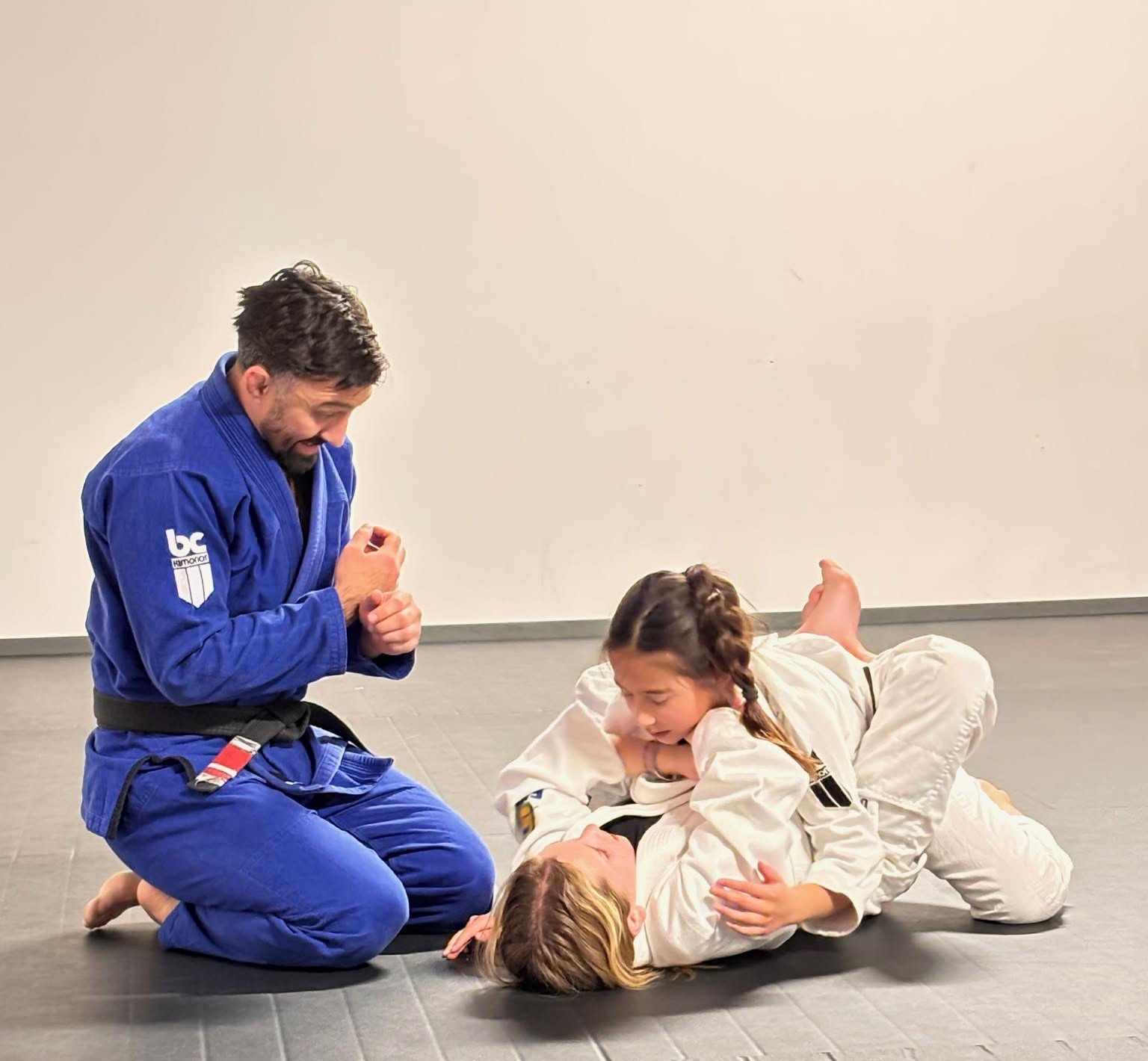
Parents are constantly searching for activities that genuinely benefit their kids, not just burn an hour of time after school. Between sports leagues, music lessons, tutoring, and screen time, it's hard to find something that actually teaches skills that matter beyond the activity itself. Brazilian Jiu-Jitsu has become increasingly popular with parents in Seton and South Calgary because it offers something different. It's not just about learning techniques or staying active. BJJ teaches kids discipline, confidence, problem-solving, and respect in ways that other activities don't. Here's why so many parents are choosing BJJ for their children. If you are interested, do not hesitate to book your child’s free introduction class today.
BJJ Gives Kids More Than Physical Exercise
Most kids' activities focus on one thing: either physical fitness or skill development in a specific area. BJJ does both, but it goes further. It teaches individual accountability in a way that team sports don't. Your child can't rely on teammates to carry them. They have to show up, pay attention, practice techniques, and put in the work themselves. Progress is visible and measurable through stripes and belts, which gives kids tangible goals to work toward. And unlike many other activities, BJJ teaches them how to handle physical challenges, discomfort, and setbacks in a controlled, safe environment. These are life skills that extend well beyond the mats.
A Healthy Outlet for Energy and Stress
Kids have a lot of pent-up energy, especially after sitting in a classroom all day. BJJ gives them a way to physically engage and release that energy in a structured, productive way. It's not chaotic or destructive. It's focused. They're learning techniques, working with a partner, and being challenged mentally and physically at the same time. For high-energy kids, it teaches them how to channel that intensity into something constructive. For quieter or more anxious kids, it builds confidence in their physical abilities without the pressure of performing in front of a crowd or contributing to a team's success. Both types of kids benefit, just in different ways.
Building Real Confidence Without Aggression
One of the biggest concerns parents have is whether teaching their child a martial art will make them more aggressive or encourage them to get into fights. The opposite is true with BJJ. Confidence in BJJ comes from mastering techniques and seeing real progress over time. Kids earn stripes and belts based on skill, not participation. They learn that they can handle physical challenges, which builds mental toughness and self-assurance. But they also learn humility. The tap system teaches kids that everyone gets caught, everyone makes mistakes, and there's always someone better. It's not about dominating others. It's about improving yourself. Kids who train BJJ develop quiet confidence, not arrogance. They don't need to prove anything because they know what they're capable of.
Practical Anti-Bullying Skills
Parents often ask if BJJ will help their child deal with bullies. The answer is yes, but not in the way most people think. BJJ doesn't teach kids to fight back or escalate situations. It gives them the confidence that makes them less likely to be targeted in the first place. Bullies look for kids who seem uncertain or afraid. A child who carries themselves with confidence, who knows they can handle physical confrontation if necessary, doesn't present as an easy target. And if a situation does become physical, BJJ teaches kids how to control it without throwing punches or causing harm. They learn how to defend themselves, neutralize the threat, and de-escalate. It's about control and composure, not aggression.
Focus, Discipline, and Problem-Solving
BJJ requires kids to pay attention and think. They can't just go through the motions. Every class involves listening to instruction, drilling techniques with a partner, and then applying what they've learned in live training. This structure builds discipline naturally. Kids learn that there's no shortcut to improvement. They have to put in the work, show up consistently, and stay focused if they want to progress. The problem-solving aspect of BJJ is what keeps kids engaged. It's not repetitive. Every roll is different. They have to think on their feet, adapt to what their partner is doing, and figure out solutions in real time. These skills transfer directly to school, homework, and any other challenge they face.
Community and Belonging
One of the most overlooked benefits of BJJ is the community kids become part of. Training partners aren't competitors. They're people working toward the same goals, helping each other improve. Kids form friendships through training that are different from school friendships because they're built on mutual respect and shared effort. They learn to work with others, to be a good training partner, and to support their teammates. There's a sense of belonging that comes from being part of a gym, especially for kids who might not fit into traditional team sports or social groups. They're part of something bigger than themselves, and that matters.
Give Your Kid an Activity That Builds Confidence and Discipline
BJJ isn't just another after-school program to keep your child busy. It's an activity that teaches skills they'll use for the rest of their lives. Confidence, discipline, problem-solving, respect, and resilience don't come from participation trophies or screen time. They come from real challenges, real effort, and real progress. If you're in Seton or anywhere in South Calgary and looking for something that will genuinely benefit your child, come see what our kids' class looks like. No pressure, just an opportunity to see if this is the right fit for your family.
Book a free trial class for your child at Train With Wolfgang today.
FAQS:
Q: How often should my child train?
A: Two to three times a week is ideal for kids. It builds consistency without overwhelming them or interfering with schoolwork and other activities.
Q: What should my child wear to their first class?
A: Comfortable athletic wear is fine for the first class. Once they decide to continue, a gi will be required. We have spare gis available for trial members upon request.
Q: Will my shy or anxious child fit in?
A: Absolutely. Many kids who struggle in team sports or social settings thrive in BJJ because it's individual-focused but still builds community. They progress at their own pace without the pressure of letting a team down.
