
What Makes a Safe BJJ Gym?
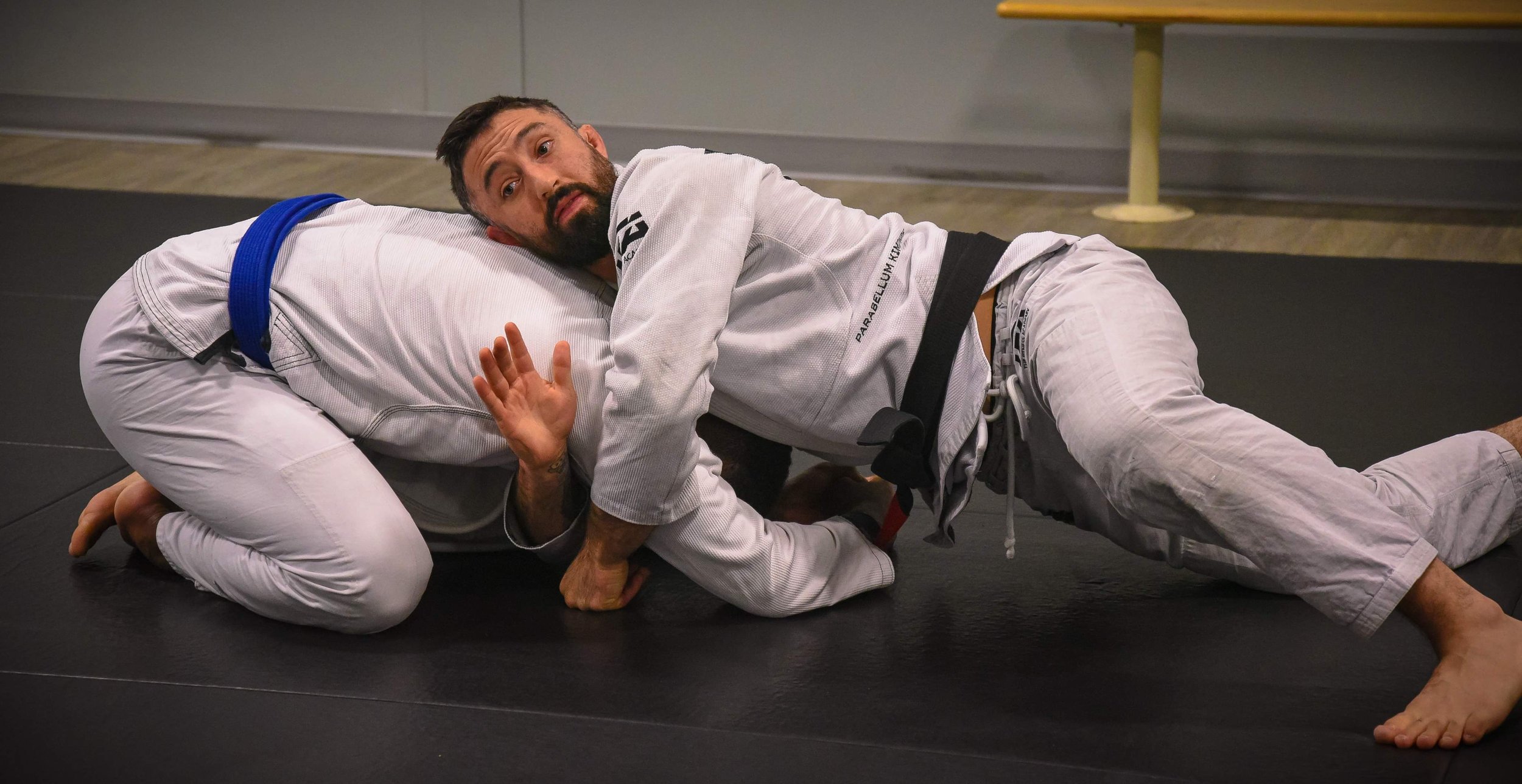
Not all BJJ gyms are the same. Some prioritize toughness and ego over actually teaching people. Some treat beginners like they need to survive some kind of hazing ritual before they're accepted. A safe gym isn't just about clean mats and good equipment, though those matter. It's about culture. How people train, how instructors handle beginners, how upper belts behave when rolling. If you're looking for a place to train, here's what separates a good gym from one that's going to get you hurt or burn you out before you even get started.
Safety Is About Culture, Not Just Equipment
Yes, a clean facility matters. Good mats, proper ventilation, basic hygiene standards, these are baseline requirements. But what really makes a gym safe is the culture. Do people train with control? Do upper belts protect beginners? Is tapping respected immediately, or do people crank submissions to prove a point? A gym can have the best equipment in the world and still be unsafe if the culture encourages reckless training. On the flip side, a gym with older mats but a strong emphasis on technique, control, and mutual respect is going to keep you safer in the long run.
Safety Is About Culture, Not Just Equipment
Yes, a clean facility matters. Good mats, proper ventilation, basic hygiene standards, these are baseline requirements. But what really makes a gym safe is the culture. Do people train with control? Do upper belts protect beginners? Is tapping respected immediately, or do people crank submissions to prove a point? A gym can have the best equipment in the world and still be unsafe if the culture encourages reckless training. On the flip side, a gym with older mats but a strong emphasis on technique, control, and mutual respect is going to keep you safer in the long run.
Qualified Instruction Matters
The instructor's job isn't just to demonstrate techniques. It's to teach in a way that makes sense, correct mistakes before they become bad habits, and create an environment where people can train hard without getting hurt. Experience matters. An active black belt who competes or has competed understands not just the techniques, but how to apply them safely and effectively. They've seen what works and what doesn't. They know how to structure a class so beginners aren't overwhelmed and experienced students are still challenged. If the instructor doesn't understand injury prevention, doesn't emphasize proper warm-ups, or lets people train recklessly, that's a red flag.
How Beginners Are Treated
A good gym takes care of beginners. Upper belts adjust their intensity when rolling with someone new. They control the pace, let you work, and keep things safe. They're not trying to prove anything. Beginners are paired with people who know how to help them learn, not someone who's going to smash them and make them never want to come back. Tapping is respected immediately. The moment you tap, your partner lets go. No hesitation, no cranking it a little more to make a point. Tap early, tap often. That's the mentality a safe gym instills from day one. And if someone is spazzing out, tensing up, or refusing to tap, the instructor steps in and addresses it. That behavior gets people hurt.
Leave Your Ego at the Door
Ego is what gets people injured. It's the beginner who refuses to tap because they don't want to lose. It's the upper belt who cranks a submission too hard to prove they caught it. A safe gym emphasizes leaving your ego at the door. If you have someone deep in an armbar and they're not tapping, you check in. "Dude, this is gonna break your arm, tap out." Or you let it go. You don't crank it to prove a point. Protecting your training partners is more important than your ego. On the other side, if you're caught, tap. Don't try to muscle out of a locked-in submission because you're too proud to admit someone got you. Tap early, tap often. That's how you train safely and keep coming back. Ego gets people hurt, and a good gym makes that clear from the start.
Red Flags to Watch For
Some gyms glorify getting smashed. They treat beginners like they need to earn their place by surviving brutal rolls with upper belts. That's a bad sign. If the instructor encourages going too hard, dismisses injuries as weakness, or creates a culture where tapping is seen as failure, leave. Other red flags include lack of beginner instruction, dirty mats, poor hygiene standards, or pressure tactics to sign long contracts before you've even trained. If a gym feels more like a cult than a training environment, trust your gut and find somewhere else.
What Good Training Culture Looks Like
A good gym has mutual respect on the mats. People train at appropriate intensity for their level and their partner's level. Beginners are welcomed and helped, not hazed. The focus is on technique, not toughness. Upper belts protect their training partners. If someone's in a bad position, they help them understand what went wrong rather than just submitting them over and over. Tap early, tap often is reinforced constantly. And when someone does get hurt, it's taken seriously, not brushed off. Training is supposed to be hard, but it's not supposed to be reckless.
Train Somewhere That Values You
If you're looking for a place to train in South Calgary, come see what the culture is like at our gym in Seton. We emphasize control, technique, and mutual respect. Beginners are taken care of. Upper belts adjust their training to help you learn. And everyone understands that protecting your training partners is part of being a good training partner. No pressure, just come see if it's the right fit.
Book your free trial class at Train With Wolfgang today.
Q&A:
Q: How do I know if a gym is safe before I join?
A: Watch a class. See how people interact, how beginners are treated, and whether the instructor emphasizes control and safety. If the culture feels respectful and focused on technique, that's a good sign.
Q: What does "tap early, tap often" mean?
A: It means you tap as soon as you feel pressure or discomfort in a submission, not when it's already too late. Tapping isn't losing. It's how you stay safe and keep training.
Q: Should I be sore after training?
A: Yes, soreness is normal, especially when you're new. But sharp pain, joint pain, or injuries are not normal and usually indicate reckless training or poor technique.
