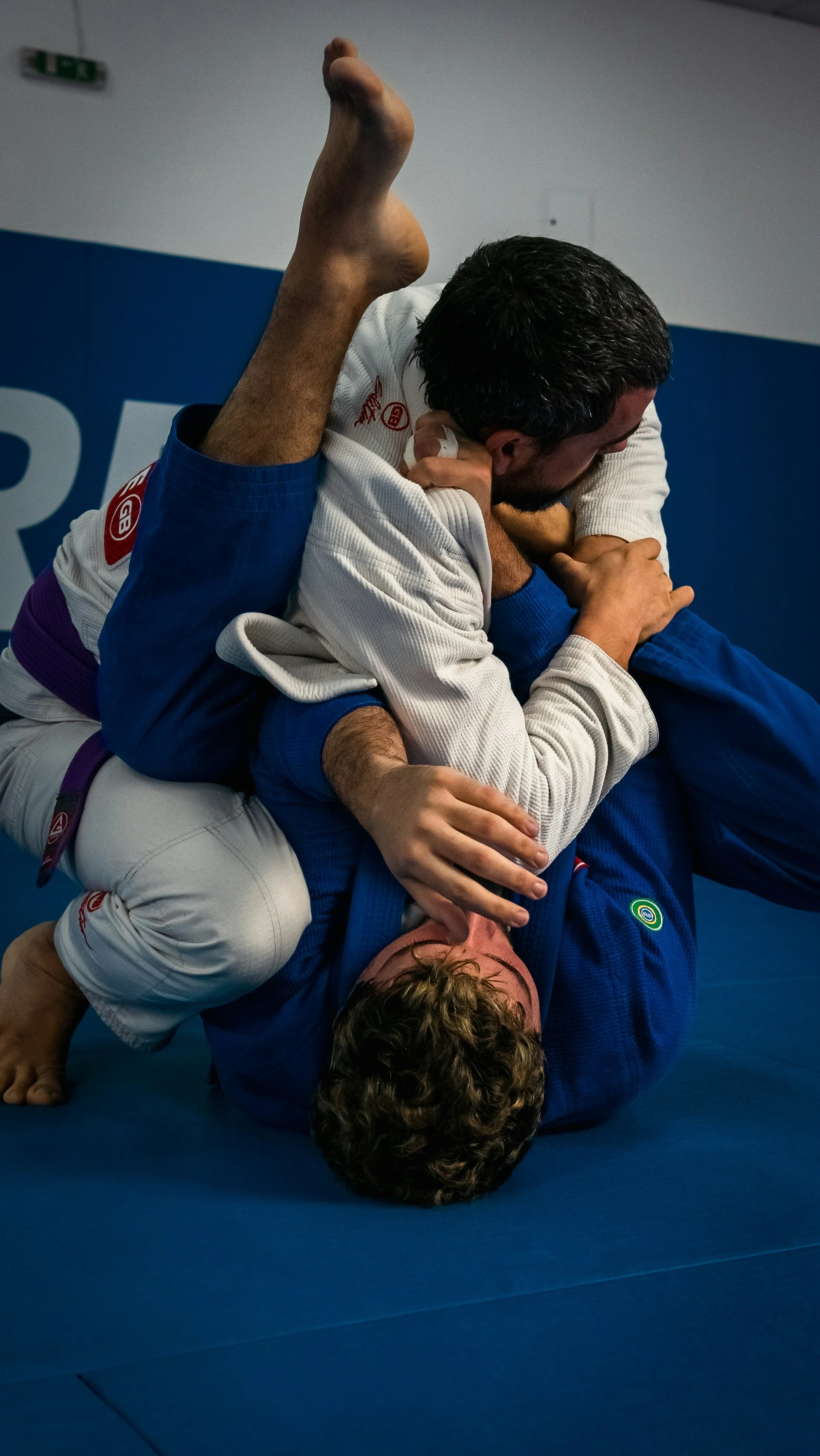
Building Resilience Through Jiu-Jitsu: Why Struggle Matters
The modern era has brought with it a troubling issue of a lack of resilience. Adults and children hide behind screens, the kids don't get the scrapes and bruises that teach them about the world, and the adults retreat from their lives instead of experiencing the beauty of struggling to do something difficult. We've created a culture where discomfort is avoided, where kids are protected from failure, and where the idea of being challenged is seen as negative. But this approach is failing people, because the only way to build real strength, real confidence, is through difficulty.
If this resonates with you, if you're tired of the screen retreat and want to actually build resilience, you can book a free trial at Train With Wolfgang in Seton today. No commitment, just come see what it's about. But if you want to understand why struggle matters first, keep reading.
Challenge Is What Builds Us
We should always be searching for challenge, as challenge is what grows us as people. And Jiu-Jitsu is one of the most difficult sports there is, it will challenge your ego, your thoughts about yourself, and most importantly, your resilience. There's no way around it in BJJ. You will face someone stronger, smarter, or more experienced than you, and getting beaten is inevitable. Someone is always better or bigger, and they will use their talent or physical traits to beat you.
But being beaten has been framed as something negative, when in reality it is nothing but a learning experience. Your training partner is going to offer their hand and pull you back to your feet. It can feel suffocating and overwhelming, but that's the point, it's not supposed to be easy. Nothing worth fighting for is ever without difficulty. The struggle is where the growth happens.
Getting Beaten Is Part of the Process
You are training with your team, not against them. They will not hurt you, but they will push you to your limit because they know you'll come back better. There's a difference between training hard and training reckless, and a good gym teaches that difference from day one. When someone taps you, they're not proving they're better, they're giving you a moment to reset and try again. That's the beauty of BJJ.
There is nothing as satisfying as seeing one of your teammates develop their skills because they chose to push through the difficulty and learn to love failure, because failure is nothing but a lesson and it doesn't mean the end of anything, it means you have to stand back up and keep going. Every person in that gym has been where you are, every single one has felt lost and overwhelmed and like quitting. The difference between the people who stick around and the people who don't is simple, they chose to keep showing up.
I Wanted to Quit Too
I can sympathize with that feeling. I wanted to quit because I felt stuck, I felt like no matter what I did I could never get my game going. I couldn't take people down, I couldn't control dominant positions, I couldn't escape bad positions, and it made me doubt myself more than I ever have before. I'd walk out of class frustrated, thinking maybe this wasn't for me, maybe I wasn't built for this sport.
I had to talk to my own subconscious and ask it, "Why do we do this?", and I immediately answered myself in my head saying "because I love the sport and I never quit". That moment changed everything. It wasn't about getting better at a specific technique or winning a roll, it was about remembering why I was there in the first place.
It Was Never That I Couldn't, It Was That I Believed I Couldn't
I began to treat Jiu-Jitsu as just something I did. Doesn't matter how it goes, I just do it because I want to. This change in mindset allowed me to stop getting stuck in bad positions and start to dominate the positions I knew I worked best in. The techniques didn't change, my body didn't change, what changed was how I approached training.
It was never that I couldn't do it, it was because I believed I couldn't do it. Your mind will convince you of anything if you let it, and once I realized that every mistake and every failure is just experience, I was able to reframe the struggle into resilience. That I would never quit just because I wasn't doing good, I won't quit until I think I'm done learning, which is never.
That's the real lesson. Not how to throw someone or escape a submission, it's understanding that struggle is the point, discomfort is where you grow. The kids who cried during their first class, who felt overwhelmed and wanted to quit, they're the ones who will come back stronger if they push through. The ones who don't, who decide it's too hard or too uncomfortable, they'll go back to their screens and wonder why they never built any real resilience.
A Word for Parents
If your kid comes home from their first class and says it was hard, that they got beaten, that they felt overwhelmed, that's exactly right, that's the point. Don't rush in to comfort them or tell them quitting is an option after one class, let them feel it and encourage them to come back and try again. That's where resilience is built.
That said, BJJ isn't for everyone and that's okay. Some kids will try it, push through the discomfort, and realize it's not their thing. Others will find something they love. But the difference is they'll have learned that they can handle hard things, they can get beaten and still get back up. That lesson applies to everything.
What you're looking for isn't a kid who's naturally good at BJJ, you're looking for a kid who's willing to be uncomfortable, who can get submitted and laugh about it, who understands that getting better requires losing first. If your kid has that in them, they'll thrive. If they don't yet, BJJ might be exactly what teaches them.
Start Your Journey
If you are looking for something to build your resilience, or if the idea of training Jiu-Jitsu interests you, come to Seton and try our free trial at Train With Wolfgang. It's one hour class, and it's free. You have nothing to lose, and if you enjoy hard work, you may just find the sport that invigorates you and changes how you approach challenge.
FAQS:
Q: What if I'm an adult and I've wanted to quit too?
A: Then you understand exactly what I'm talking about. I wanted to quit because I felt stuck, like no matter what I did my game wasn't improving. But I realized it wasn't that I couldn't do it, it was that I believed I couldn't do it. That mindset shift changed everything. If you're feeling that way, don't quit. Come back next class and change how you approach it. That's where the real growth happens.
Q: How long before I notice changes in my own resilience?
A: Usually 2-3 months of consistent training and you start handling setbacks differently. You bounce back faster, see struggle as growth instead of failure. But that only happens if you actually keep showing up. One class a week won't do it.
Q: My kid says BJJ is too hard. Should I let them quit?
A: Not after one class. Hard is the point. BJJ isn't supposed to feel easy, especially at first. Let them experience the discomfort, encourage them to come back next class, and see if they can push through it. If after a few weeks they genuinely don't want to continue, that's different. But quitting after one hard day isn't building resilience, it's reinforcing that discomfort means escape.
Q: How long before I notice my kid becoming more resilient?
A: It depends on the kid. Some show change after a few weeks, others take months. But consistency matters more than speed. Kids who stick with BJJ for 2-3 months usually start showing real differences in how they handle setbacks. That translates into school, friendships, everything.