
How to Avoid Injuries in BJJ
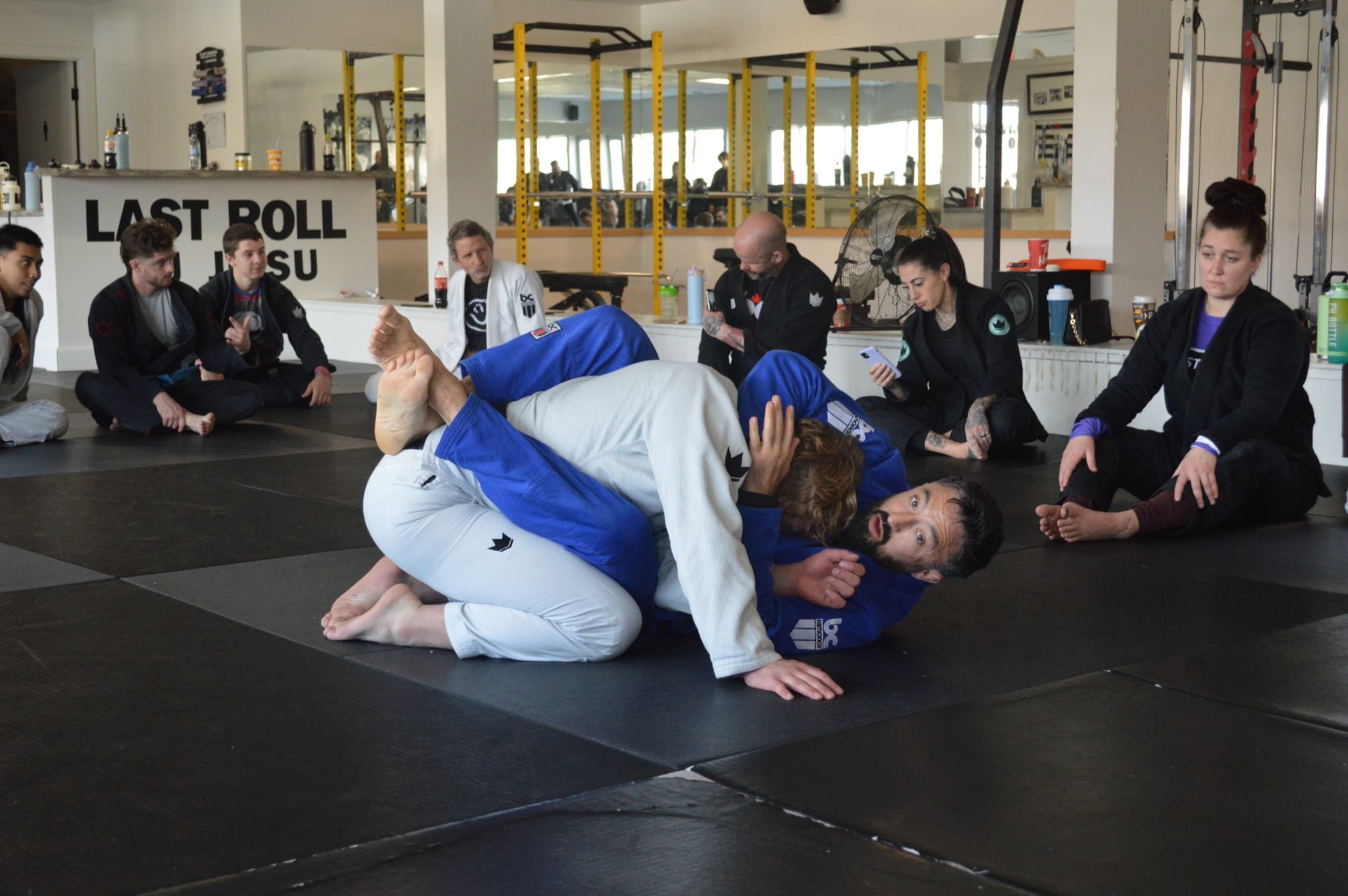
People worry about getting injured in BJJ. That's fair. It's a contact sport where someone's actively trying to control you, take you down, or submit you. Injuries happen. But most of them are preventable. They're not bad luck. They're bad habits. Refusing to tap, going too hard with the wrong partner, ignoring your body when it's telling you to stop are all habits that can get you injured. If you train smart and follow basic safety practices, you can avoid most injuries. Here's how.
Most Injuries Are Preventable
Yes, injuries happen in BJJ. Fingers get jammed, shoulders wear down, knees get tweaked. But the majority aren't inevitable. They're the result of choices. Reckless training. Refusing to tap. Going too hard. Ignoring pain. Good training practices reduce risk. The culture of the gym matters, and your own habits matter more. If you're at a gym that prioritizes control over toughness, and you're making smart decisions, you're already ahead. Soreness is normal. Your muscles will ache, especially when you're new. That's not an injury. Sharp pain, joint pain, something that doesn't go away, that's when you pay attention.
Tap Early, Tap Often
This is the most important rule. If you feel pressure, if something hurts, if you're caught, tap. Don't wait. Don't try to tough it out. Tap. Your ego isn't worth a torn ligament. Tapping isn't losing. It's how you stay safe. Some people treat tapping like admitting defeat, and that mindset gets them hurt. A submission is supposed to make you tap. That's the point. If you're in an armbar and your elbow is hyperextending, tap. If you're in a choke and you can't breathe, tap. If you're not sure what's happening but it feels wrong, tap. You can always ask what they caught you with after. You can't undo an injury because you were too stubborn to tap.
Learn to Breakfall
One of the first things you'll learn is how to fall safely. Breakfalls protect you from impact when you're taken down or thrown. The technique matters. You're not just slapping your arms down. Your palms face down, you slap the mat with your hands and forearms, and you round your back so the impact is distributed across multiple points instead of landing directly on your tailbone or spine. If you fall flat on your ass, you're going to feel it. If you breakfall properly, the force spreads out and the fall is manageable. It feels awkward at first, but it becomes second nature. Breakfalls matter because takedowns are part of BJJ. You're going to hit the ground. If you tense up and try to catch yourself wrong, you're going to get hurt. If you breakfall properly, the impact is controlled.
Communicate With Your Training Partners
Good training partners communicate. If you're working on something dangerous like heel hooks or ankle locks, ask your partner if they're okay with it first. Not everyone is comfortable with leg attacks. If you're coming back from an injury, tell people. Let them know your shoulder is tweaked or your knee is bothering you so they can avoid putting pressure on it. If something feels wrong during a roll, say something. Stop and reset. Most injuries happen because someone didn't speak up. Your training partners can't read your mind. If you're hurt or uncomfortable, it's your responsibility to communicate that. Good partners will adjust.
Match Your Partner's Energy
Mismatching intensity is one of the fastest ways to get hurt. If they're going 50% and you're going 100%, someone's getting injured. Spazzing, explosive movements, trying to muscle out of everything, that's how people get hurt. Control matters more than intensity. As a beginner, you're not going to get slammed on your head. People adjust to your level. Experienced partners understand that going hard with someone who doesn't know what they're doing is dangerous for both of you. They'll control the pace, let you work, and keep things safe. But you have to meet them halfway. If you're tense, aggressive, and unpredictable, even the most experienced partner can't protect you from yourself. Match their energy. If they're flowing, you flow. If they're picking up the pace, you can too. Don't go full throttle when your partner is working at half speed.
Know the Difference Between Sore and Injured
Your body will feel it after training. Your grip will be tired. Your muscles will ache. You might wake up sore. That's normal. That's not an injury. Sharp pain, joint pain, something that doesn't improve with rest, that's when you stop and assess. Listen to your body. If something feels wrong, don't train through it. Rest. See a doctor if you need to. Training through an injury makes it worse. What could have been a week off turns into months. Soreness goes away. Injuries don't, not without proper recovery.
Train Smart, Not Reckless
Most injuries in BJJ are preventable. Tap early. Learn to breakfall. Communicate with your partners. Match their energy. Know when you're sore and when you're actually hurt. These aren't complicated rules, but they're the difference between training for years and getting sidelined after a few months. Good habits keep you on the mats. If you're in South Calgary and want to train somewhere that prioritizes safety without sacrificing intensity, come see what training looks like in Seton.
Book your free trial class at Train With Wolfgang today.
FAQS:
Q: How common are injuries in BJJ?
A: Minor injuries like jammed fingers or bruises are common. Serious injuries are rare if you're training smart and tapping early.
Q: What's the most common BJJ injury?
A: Finger injuries, shoulder issues, and knee problems. Most can be avoided with good training habits and tapping when caught.
Q: Should I train if I'm sore?
A: Soreness is normal and usually fine to train through. Sharp pain or joint pain means you should rest.
